

Prank Ojol Jilmek Ngewe Gak Puas Lanjut Solo Hot51 Indo18 !!exclusive!!: Hallomy
Download the Punjab Startup Entrepreneurship Mindset App and launch your first business with ease – all from your phone.


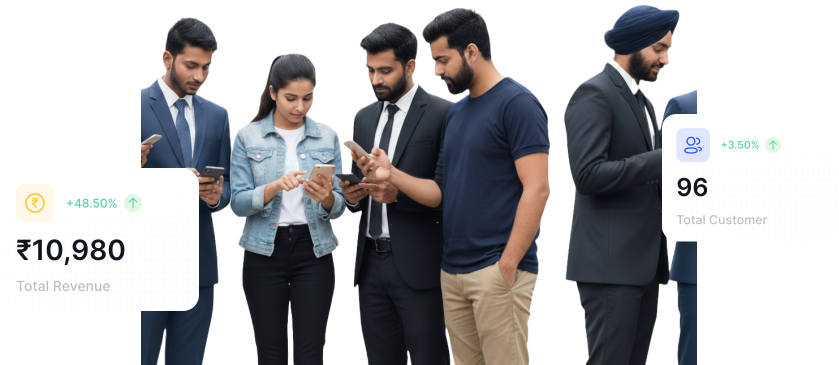

Download the Punjab Startup Entrepreneurship Mindset App and launch your first business with ease – all from your phone.
Complete one milestone per week and build a real business with real customers and real revenue

Three powerful reasons why this program transforms
students
into successful entrepreneurs
No endless theory or boring lectures. From day one, you'll take real actions that build your actual business. Every task moves you closer to your first sale and sustainable income.


Reach out to faculty and mentors directly through the app. Stuck on a task? Ask your questions, and get the help you need to keep moving forward.
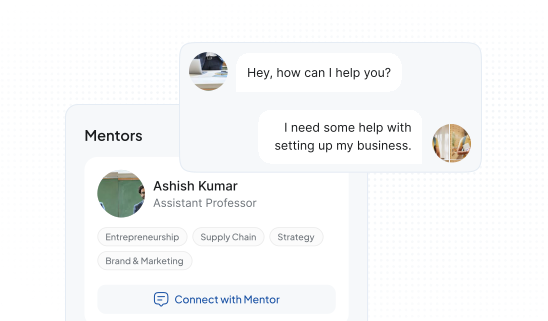

Chat directly with our AI for help on any task. Whether it's launching your business or crafting your sales pitch, our AI is available 24/7 to guide you every step of the way.
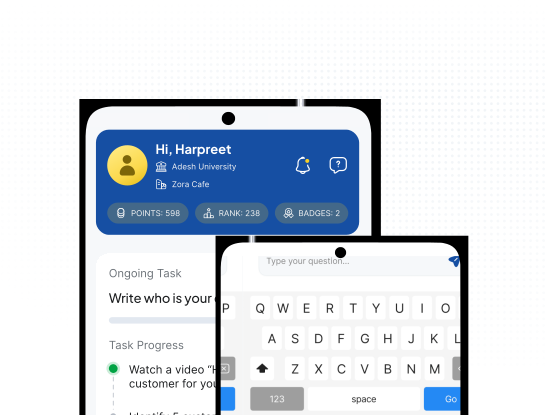

Watch this quick video to see how the Punjab Startup Entrepreneurship Mindset App guides you in launching and building your own business
Not every business is the same.
Choose the track that excites you the most.
Create your online store like Amazon and start selling products to anyone in India
Launch your own YouTube or Instagram channel and convert your talent into income
Convert your best skill into a service that people need and get paid for your expertise.
Start your own shop or stall in your area and sell products to local customers
Turn any other idea of your own into a real business and start earning money
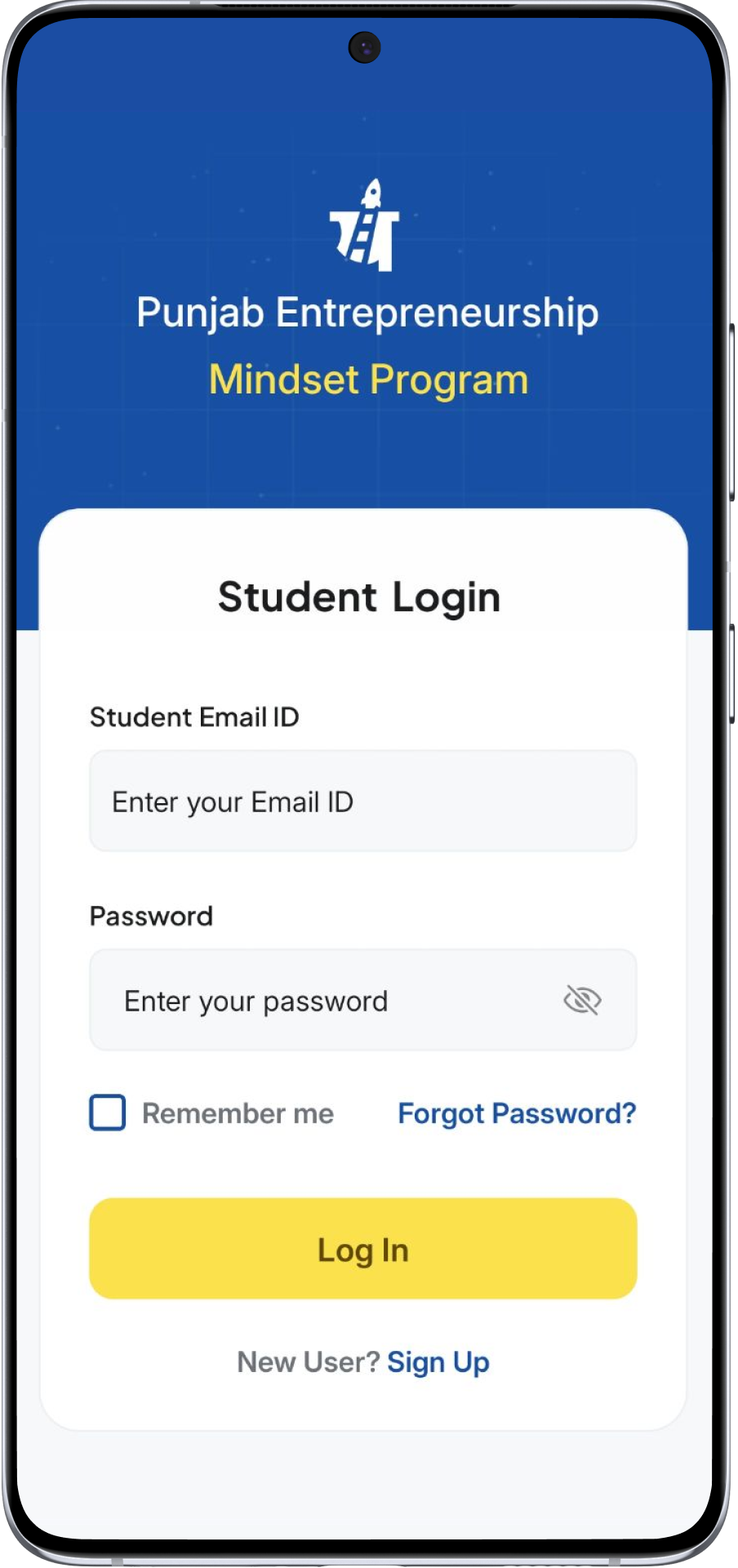
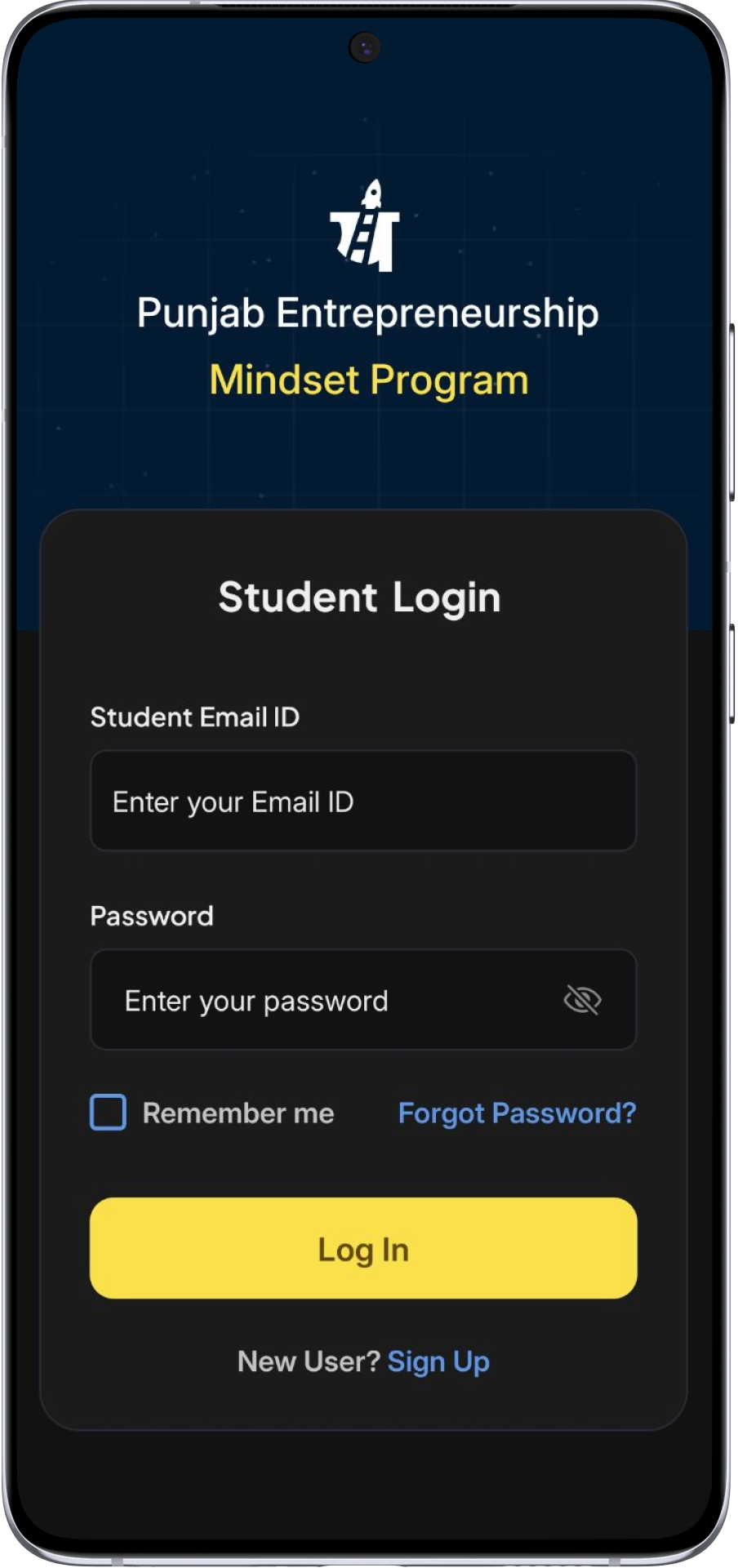
Login or Sign Up on the app
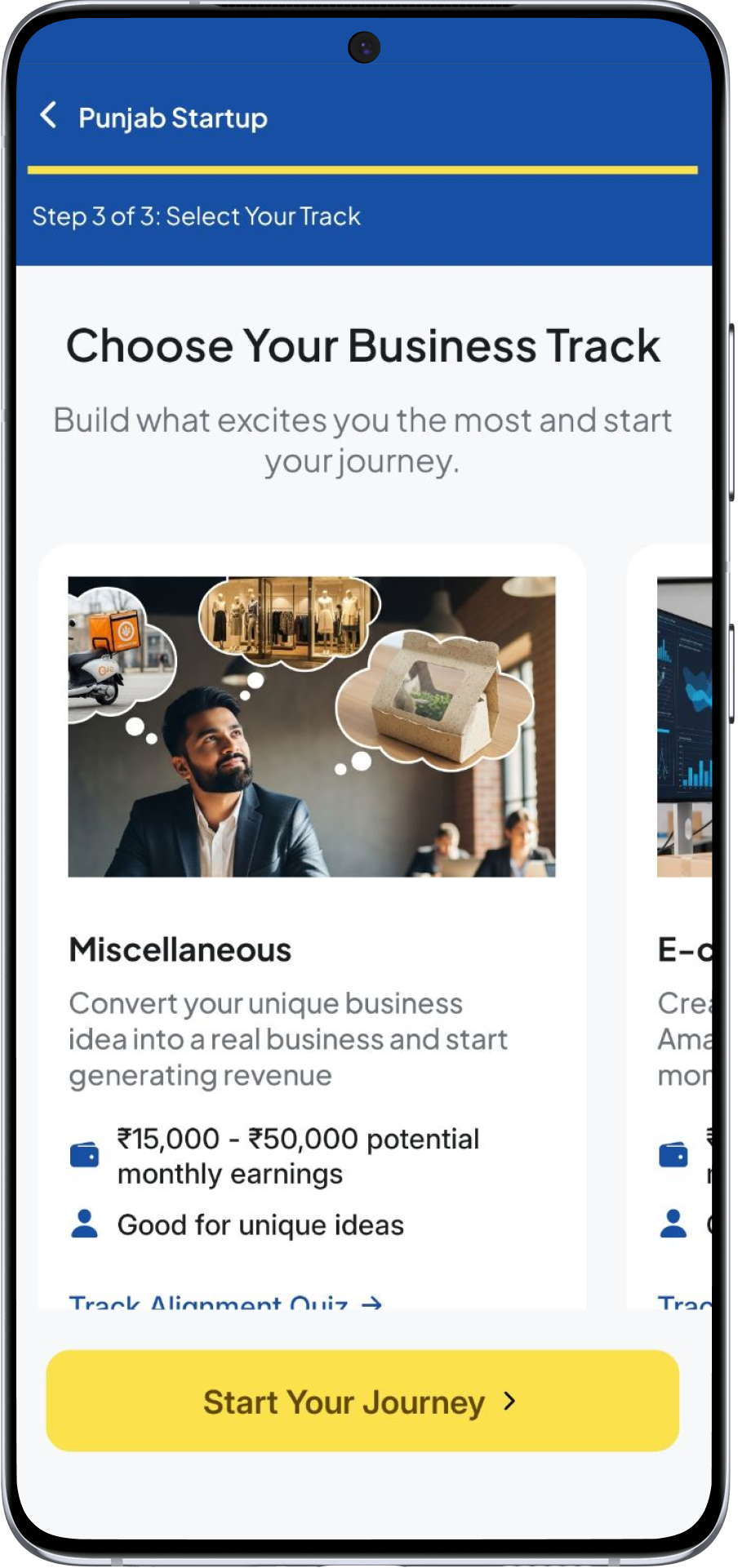
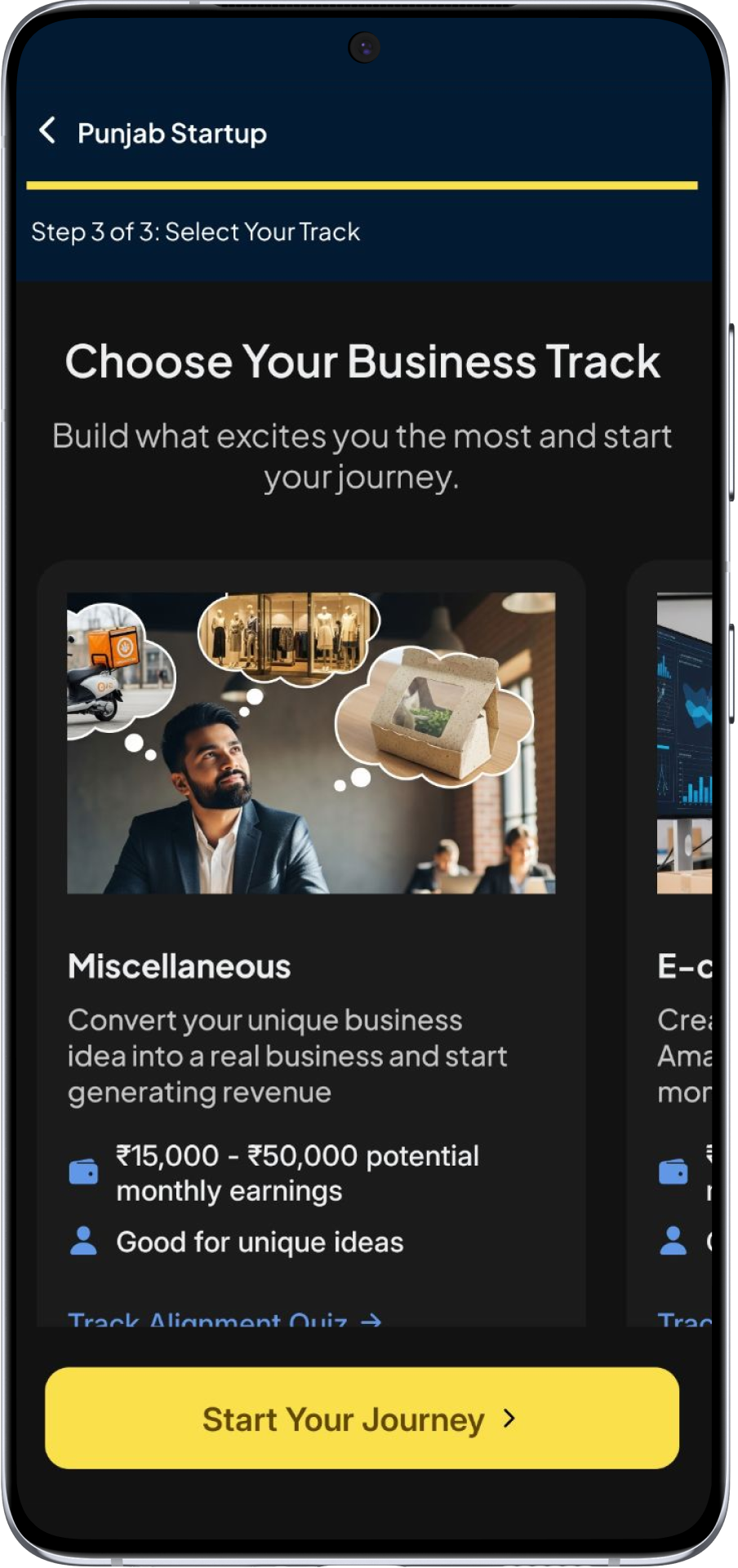
Choose the track of your choice
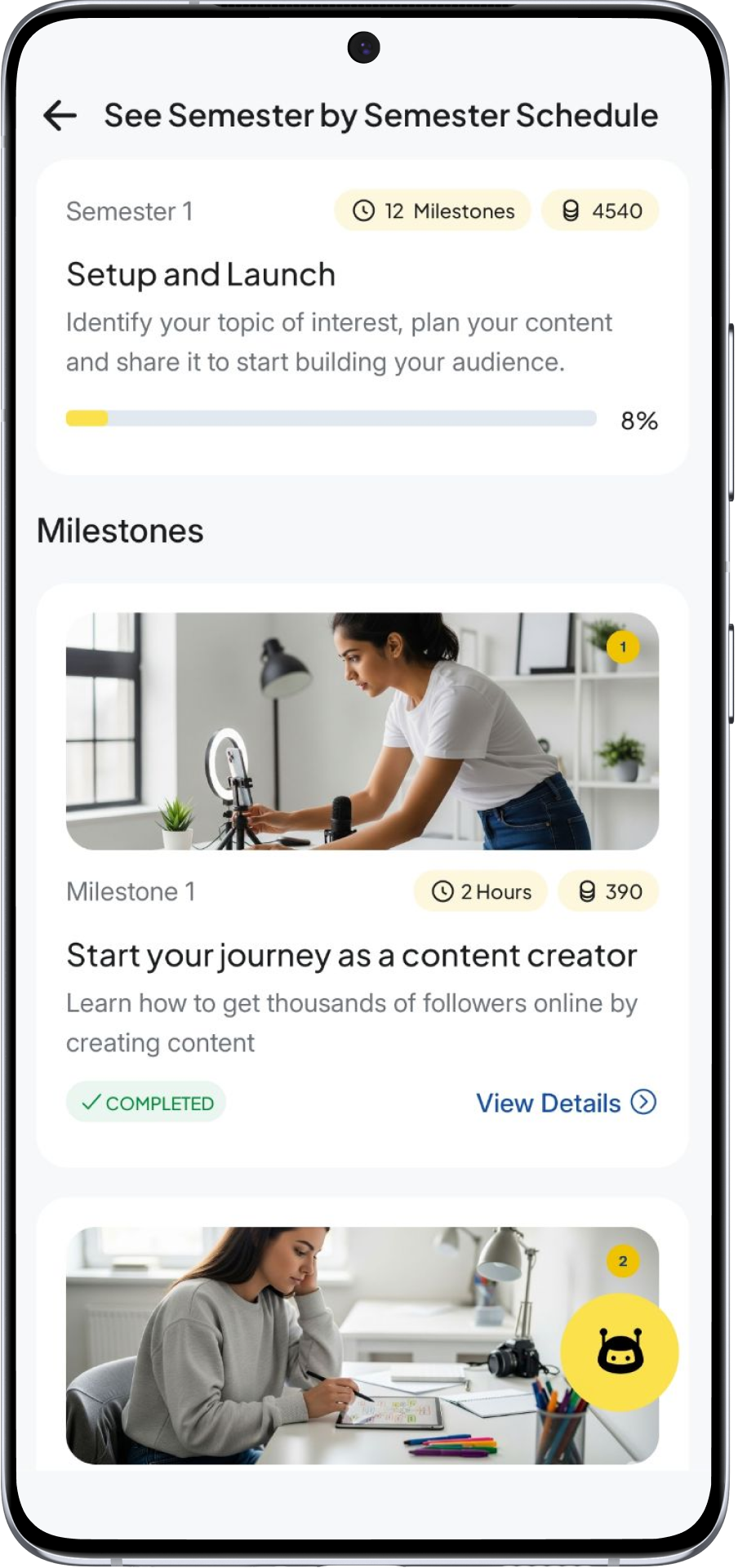
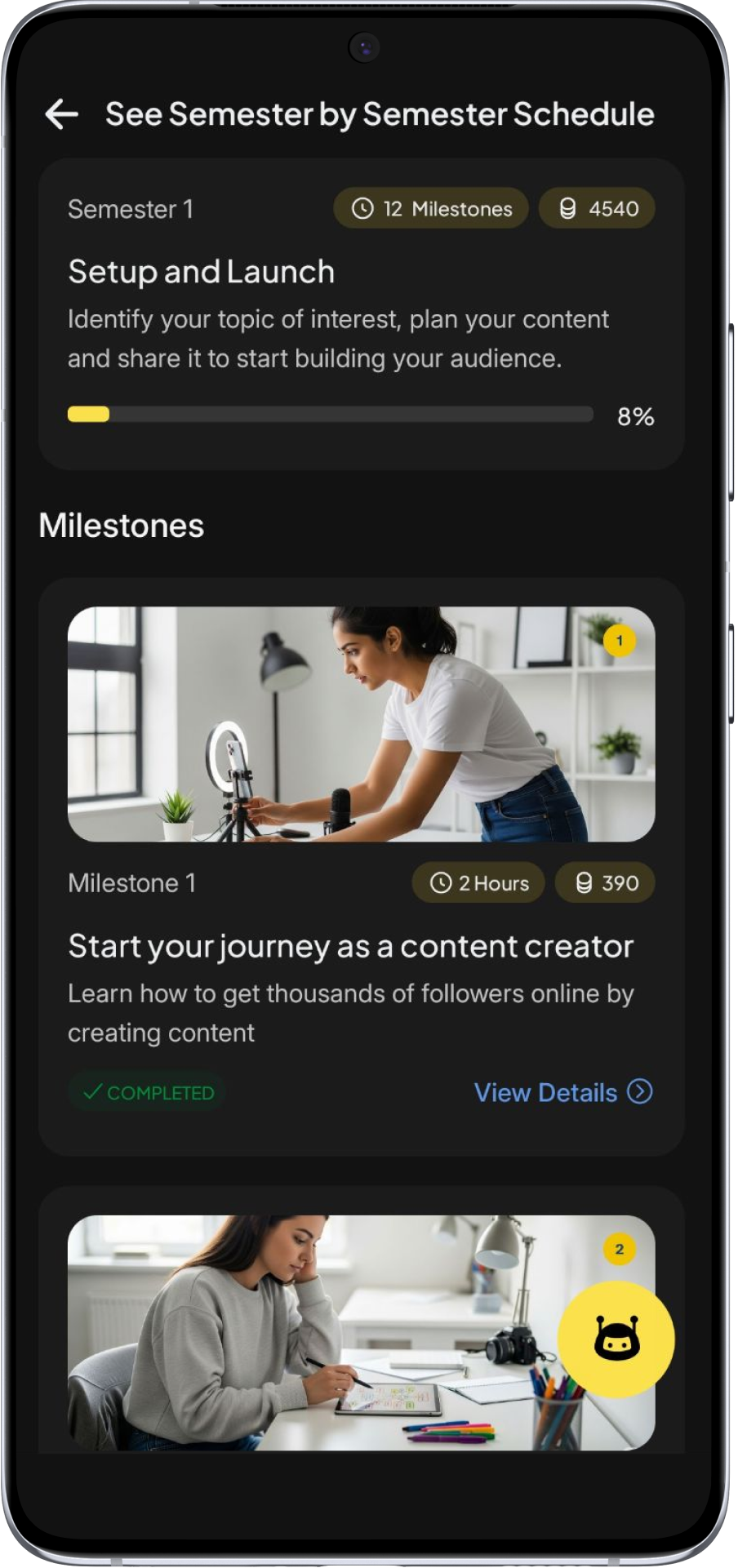
Complete milestones and tasks
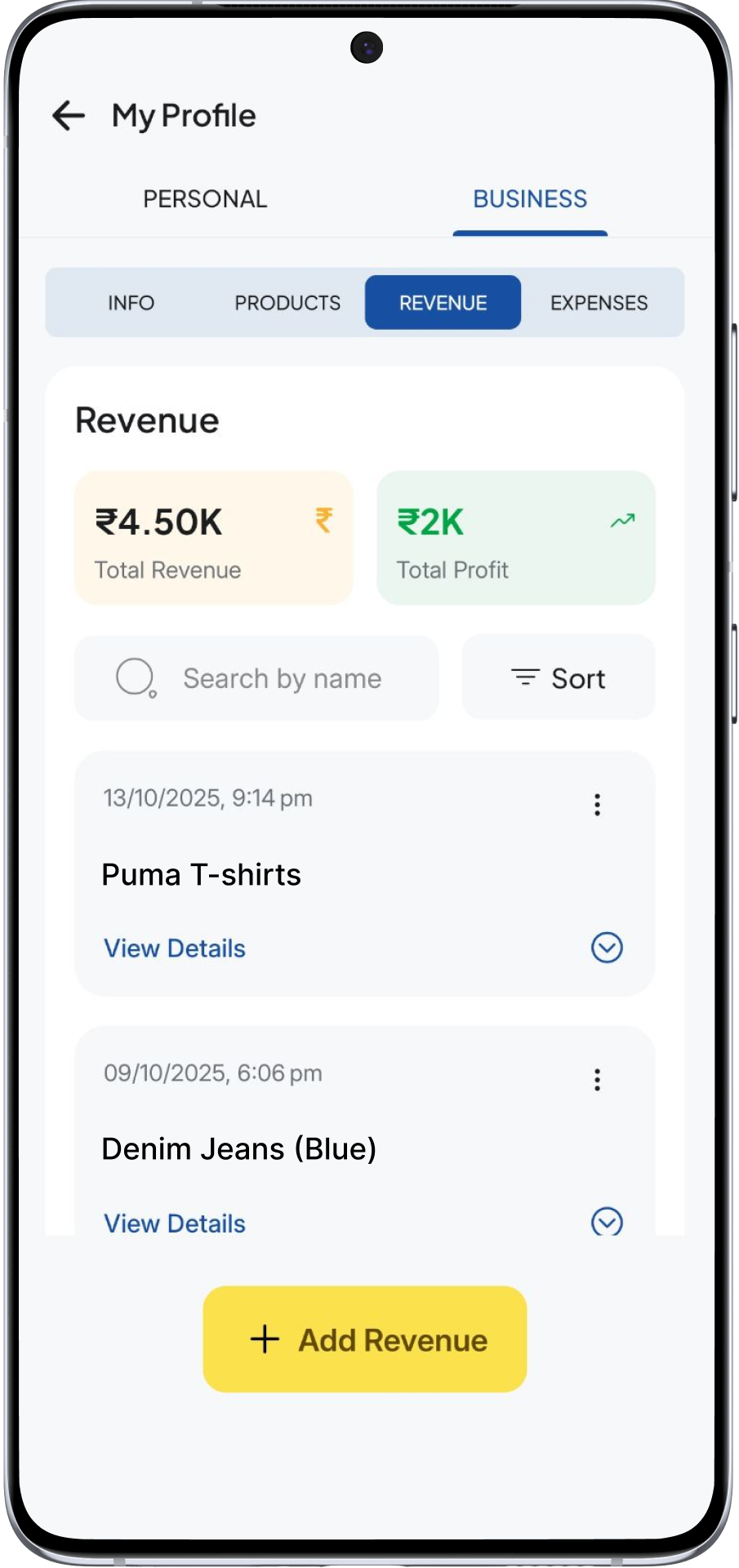
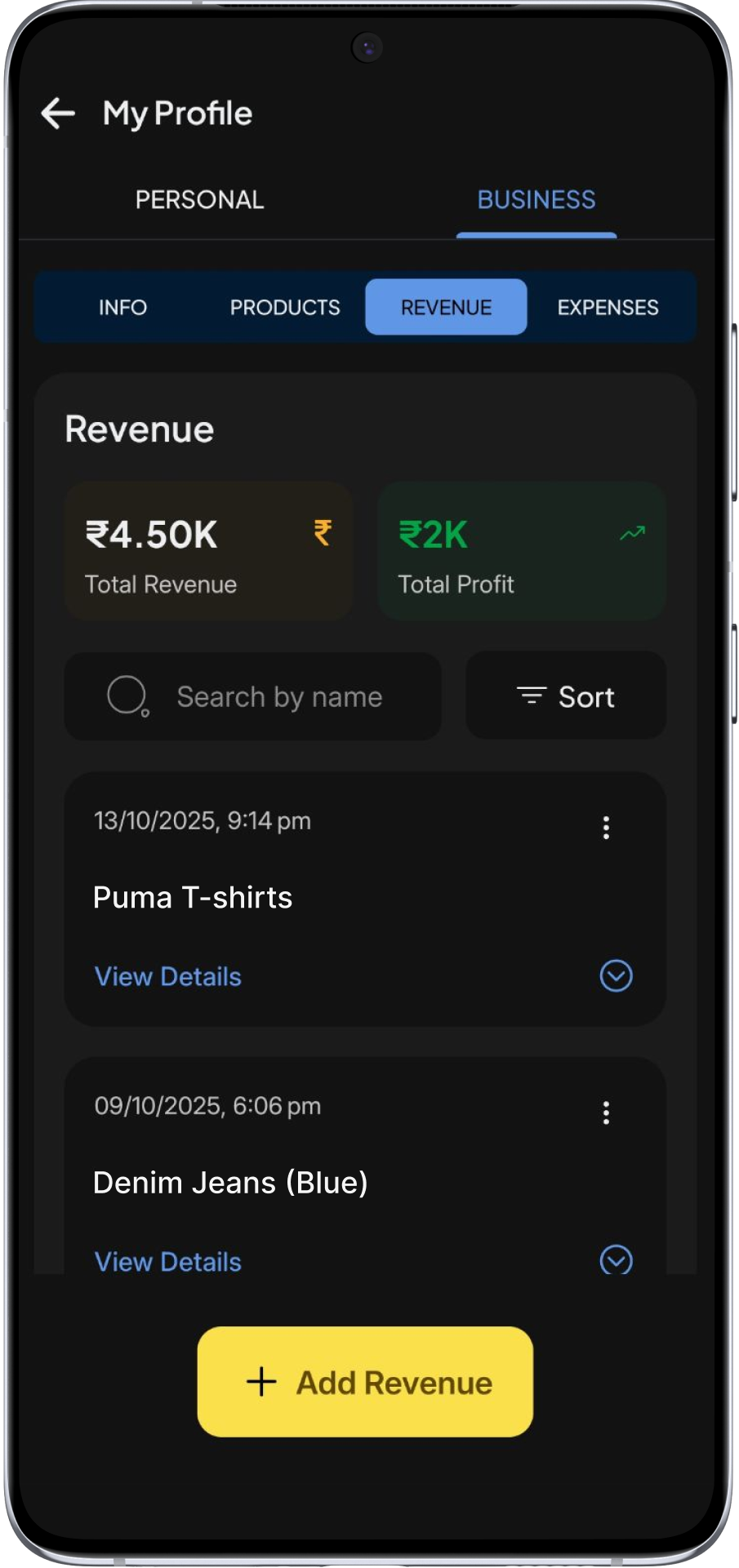
Generate revenue and
build real business
Every success story here began with one decision: to start.
To understand the context behind this trending search term, it is necessary to unpack the individual components of the phrase:
Indonesia's lifestyle and entertainment scene is diverse and thriving, with a rich cultural heritage. From traditional music and dance to modern art and fashion, there's always something new to explore.
In the vast expanse of the internet, a new wave of entertainment has emerged, captivating audiences worldwide. Prank videos have become increasingly popular, often blurring the lines between humor and harm. One such phenomenon that has gained significant attention is the "Hallomy Prank OJOL Jilmek Gak Puas Lanjut Solo51 Indo18" trend. This article aims to dissect the concept, its implications, and the broader context of prank culture.
The incident gained significant traction on social media platforms, with many users expressing their amusement and others criticizing the prankster for their actions. The debate surrounding this incident highlights the complexities of prank culture and its impact on Indonesian entertainment. To understand the context behind this trending search
In the context of Indonesia's vibrant lifestyle and entertainment scene, pranks have become increasingly popular, especially among the younger generation. Social media platforms have made it easier for people to share their prank videos, showcasing their creativity and sense of humor.
While popular in traffic, this genre faces significant criticism:
The term appears to be a creative corruption of the English greeting "Hello, my...," possibly meant to be "Hello, my friend," or "Hello, my dear." In the context of Indonesian social media, " Halo " or " Hello " is often used as a casual opener for conversations online. Unlike the formal Indonesian greeting " Apa kabar? " (how are you?), Hallomy injects an informal, almost Westernized vibe that signals the start of a more relaxed—and sometimes risqué—exchange. The incident gained significant traction on social media
So, why have pranks become so popular? One reason is that they offer a unique form of escapism, allowing viewers to experience a thrill or a laugh without being directly involved. Pranks often tap into our curiosity and love for surprise, making them an entertaining way to pass the time. Additionally, prank content frequently features relatable situations or everyday characters, making it more accessible and endearing to audiences.
In this context, the phrase "ngewe gak puas lanjut solo" (translated as "not satisfied with sex, continue solo") strongly suggests a specific format of adult content found on these sites: explicit video clips that move from partnered sexual acts to solo masturbation.
It might seem odd to categorize these keywords under "Lifestyle," but for a huge segment of the mobile-first generation in Indonesia, this is the lifestyle. Short-form videos, "unfiltered" pranks, and local viral drama are the primary source of entertainment. By attaching these tags
Understanding this phenomenon requires breaking down the linguistics, the mechanics of viral search optimization (SEO), and the cultural context driving these digital trends. Decoding the Algorithmic Search String
The most prominent part of the search query is "prank ojol". This refers to a trend of pranks targeting app-based motorcycle taxi drivers (Ojek Online or 'Ojol'). While some may see it as harmless fun, a quick analysis reveals a darker side:
In a technical sense, viral internet trends, subculture behaviors, and digital pranks fall under the massive umbrella of digital lifestyle and entertainment. By attaching these tags, aggregators attempt to index their pages in standard search categories alongside mainstream media. The Dynamics of Viral Content Ecosystems
The phrase you’ve mentioned combines several highly specific—and largely unrelated—internet subcultures, ranging from viral "ojol" (motorcycle taxi) prank trends to Indonesian lifestyle tags and "solo51" references.
The Hallomy Prank appears to be a type of prank video that involves unsuspecting individuals, often dubbed "OJOL" (a term commonly used in Indonesia to refer to motorcycle taxi drivers or riders). The prank seems to involve a setup where the rider is offered a service or interaction that takes an unexpected turn, leading to a reaction that is then captured and shared online.