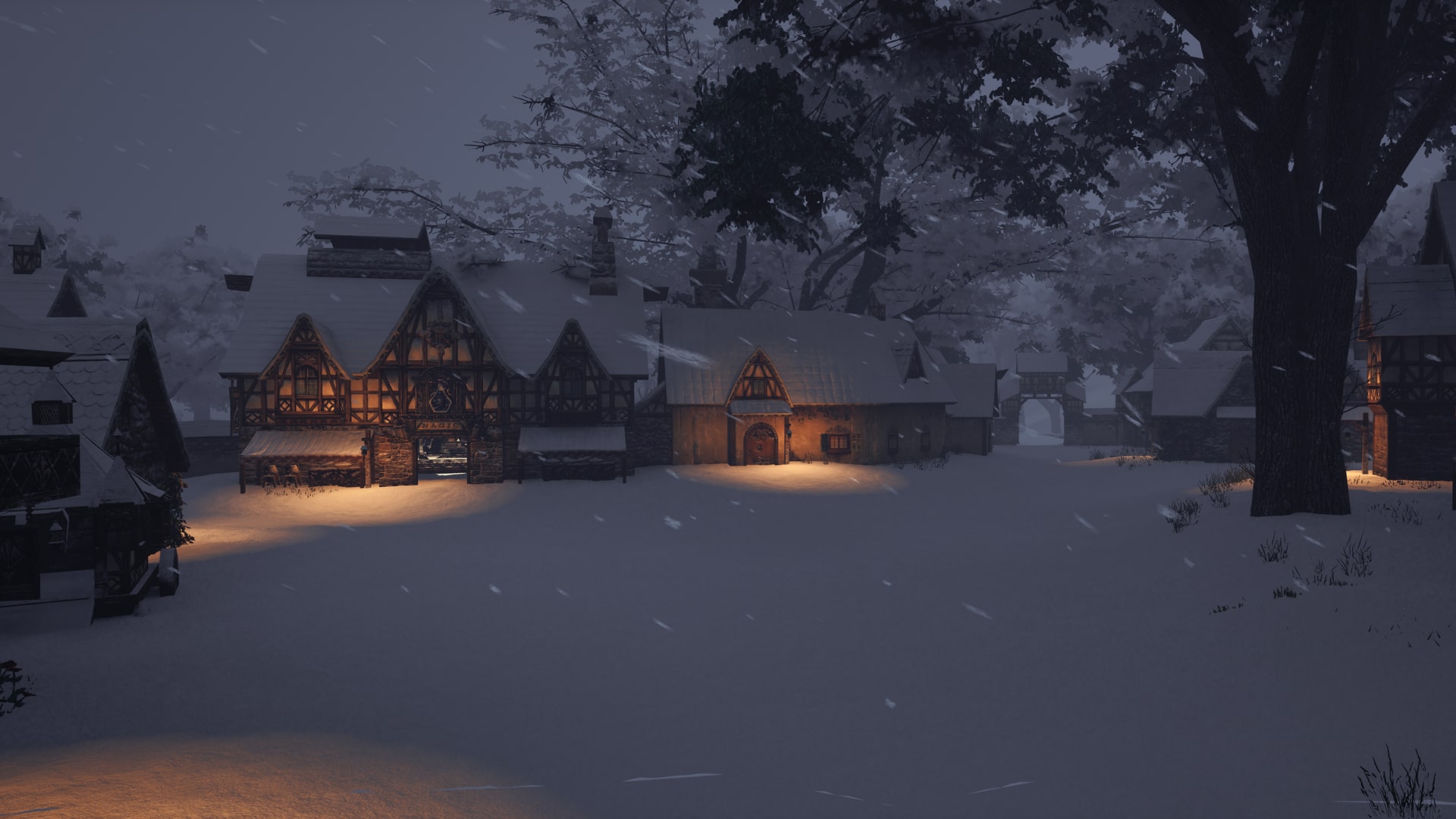
Preserve the culture of the best days of your youth!
Come on, no hate and judgment. That is your home
DanielDefo

FlamesFire
BoHpts
FocusDeath


By 8:00 AM, the household enters high gear. School buses honk, and professionals rush to commute.
From dawn till dusk, the rhythm of an Indian family’s day is often dictated by tradition and necessity. The morning begins early, with the sweet chanting of hymns or the aroma of freshly brewed tea wafting through the air. In many Indian households, the day starts with a quick prayer or a yoga session, setting a serene tone for the day ahead. The kitchen buzzes with activity as women, and increasingly men, prepare breakfast, often consisting of wholesome dishes like idlis (steamed rice cakes), parathas (layered flatbread), or a simple but nourishing dal (lentil soup) with rice. indian bhabhi hot mms link
: Urbanization has forced a rise in nuclear setups, yet grandparents often live nearby or visit for months at a time. By 8:00 AM, the household enters high gear
This is when stories spill. A teenager complains about a teacher. The father shares office gossip. The mother negotiates weekend plans between a wedding and a parent-teacher meeting. The grandmother, seated on her swing ( jhoola ), listens and offers ancient solutions to modern problems. The morning begins early, with the sweet chanting
| Time | Activity | Cultural Note | |------|----------|----------------| | 5:30–6:30 AM | Wake up, bathing, household puja (prayer) | Often includes lighting a lamp, chanting, or visiting a neighborhood temple. | | 7:00–8:00 AM | Breakfast & lunch preparation | Breakfast varies by region (idli in south, paratha in north, poha in west). Lunch is freshly cooked and packed. | | 8:00 AM–1:00 PM | Work / school / college | Multi-generational coordination: grandparents often drop younger kids to school. | | 1:00–2:30 PM | Lunch break | Many families still try to eat together; a mid-day meal is considered sacred. | | 2:30–6:00 PM | Afternoon work/study & chores | Nap time for elderly; mothers may do household accounts or second shifts. | | 6:00–8:00 PM | Evening snacks, children’s homework, extracurriculars | Tea ( chai ) and biscuits are almost ritualistic. | | 8:00–9:30 PM | Dinner preparation & family time | Dinner is lighter than lunch. Family may watch TV serials or discuss the day. | | 9:30–10:30 PM | Wind down, prayers, sleep | Many families end with short prayer or children’s bedtime stories. |
Spirituality is woven into the mundane. Whether it’s lighting a diya (lamp) in a dedicated puja room or a quick prayer before a framed deity on a shelf, the morning sets a tone of gratitude. Simultaneously, the kitchen becomes a hub of activity. The "Indian breakfast" is rarely a bowl of cold cereal; it is a warm, labor-intensive affair—think parathas dripping with butter in the North, idlis and sambhar in the South, or poha in the West. The Joint Family vs. The Nuclear Shift
In a high-rise apartment in Bengaluru, Priya and Vivek represent the new face of corporate India. Both work in IT, navigating long commutes and video calls. However, their household relies heavily on Vivek’s retired mother, who moved from Kerala to help raise their five-year-old daughter, Diya.

Open test with no wipes for everyone, you can join right now!


Classic C1 content, B-grade limit, max 2 windows

New territories and castle, content expands up to A-grade

Step-by-step introduction of all familiar systems after level 75+

Every bug fix made during testing is optimised and prepared for release