OnDemand codes do not expire and can be used, at any time after purchase, to gain temporary access to our DGNFOG premium services.
Show details >
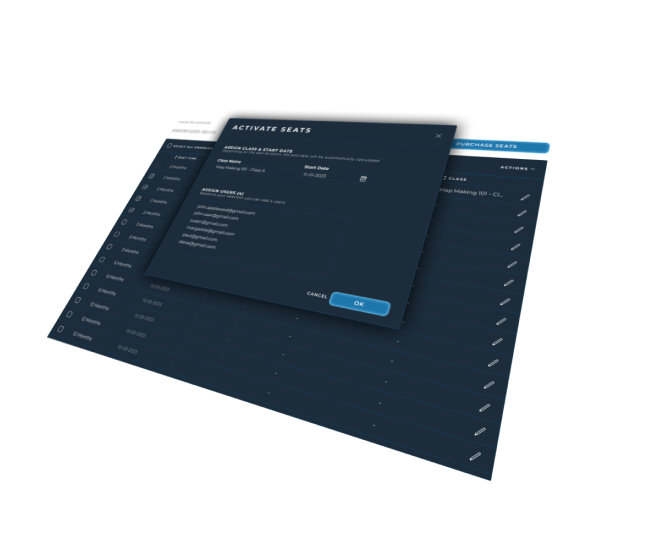
Special education discounts for seats & access to seat manager
Unlock the Power of Creativity with DungeonFog's Education Program! Enjoy discounted student seats and harness the seat manager to effortlessly manage memberships for your students.
To learn more about or Education Seats and start now, please contact us directly
Visual media in Afghanistan has transformed from completely banned under early Taliban rule to a highly sophisticated digital tool. The Taliban's relationship with the camera has evolved from the total prohibition of living images in the 1990s to an aggressive, modern digital media strategy. This article explores the history, production infrastructure, popular video trends, and global impact of the Taliban’s visual ecosystem. 1. The Historical Evolution of Taliban Media
Activists and aid organizations argue that a policy of isolation is not sustainable. They urge the international community to find mechanisms to engage with the Afghan people—particularly women—without legitimizing the oppressors. This includes funding education programs, supporting women-led businesses, and maintaining a robust human rights monitoring presence.
We categorize the most circulated videos into three production eras and formats.
The group releases long, edited films about their history. These videos show their past battles. They paint their fighters as heroes. They use drone cameras and special effects to look professional. News and State Media
A new wave of young, tech-savvy pro-Taliban vloggers has emerged on YouTube and TikTok.
Chronicles the chaotic 2021 U.S. withdrawal and the subsequent evacuation efforts. IMDb
While documentaries dominate, fictional narratives also offer unique perspectives.
: Friendly creators film travel videos to show the country is safe.
Short- and feature-length films commemorating the withdrawal of foreign troops. These use dramatic slow-motion footage, religious chanting (nasheeds), and high-production drone shots.
Following the Taliban's return to power in August 2021, film production within Afghanistan
: As mobile internet expanded, the group transitioned to memory cards (SD cards), Bluetooth sharing, and eventually, encrypted messaging apps like Telegram and WhatsApp.
: Directed by Siddiq Barmak, this landmark drama follows a young girl under the first Taliban regime who disguises herself as a boy to work and support her family. It won the Golden Globe for Best Foreign Language Film.
In the 1990s, the Taliban banned television, music, and cinema outright. They destroyed film archives and publicly executed televisions. Today, the approach is vastly different. The modern Taliban are media-savvy, understanding that the internet is a battlefield as crucial as any physical terrain.
Travel vlogs showing safe transit through Afghan provinces, street food tours in Kabul, and interviews with locals praising the security situation.
Tech companies and global governments face a continuous challenge. While official Taliban media is classified as terrorist propaganda, it also serves as a primary source of information for intelligence analysts, journalists, and historians tracking the group's governance policies, military capabilities, and internal factions.

Join DUNGEONFOG today by creating a free account and bring light to your maps!
Create up to 3 maps with Fantasy assets and textures or search the vast public library for the optimal map for your adventure. Begin your adventure now!