Sign up to receive all the latest news and special offers


AI-Enhanced Data Platform for Business Growth & Retention


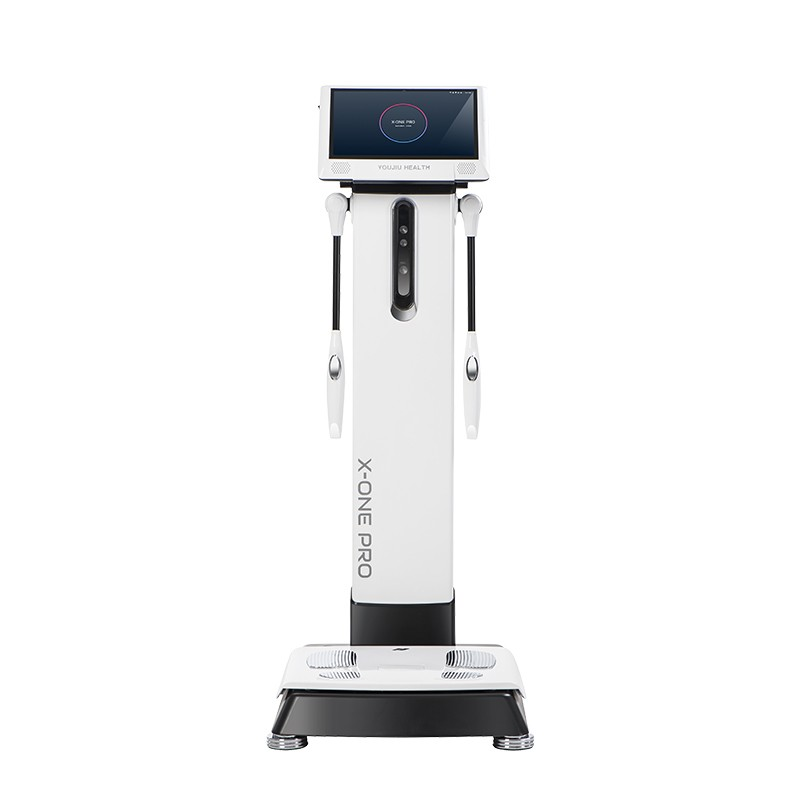
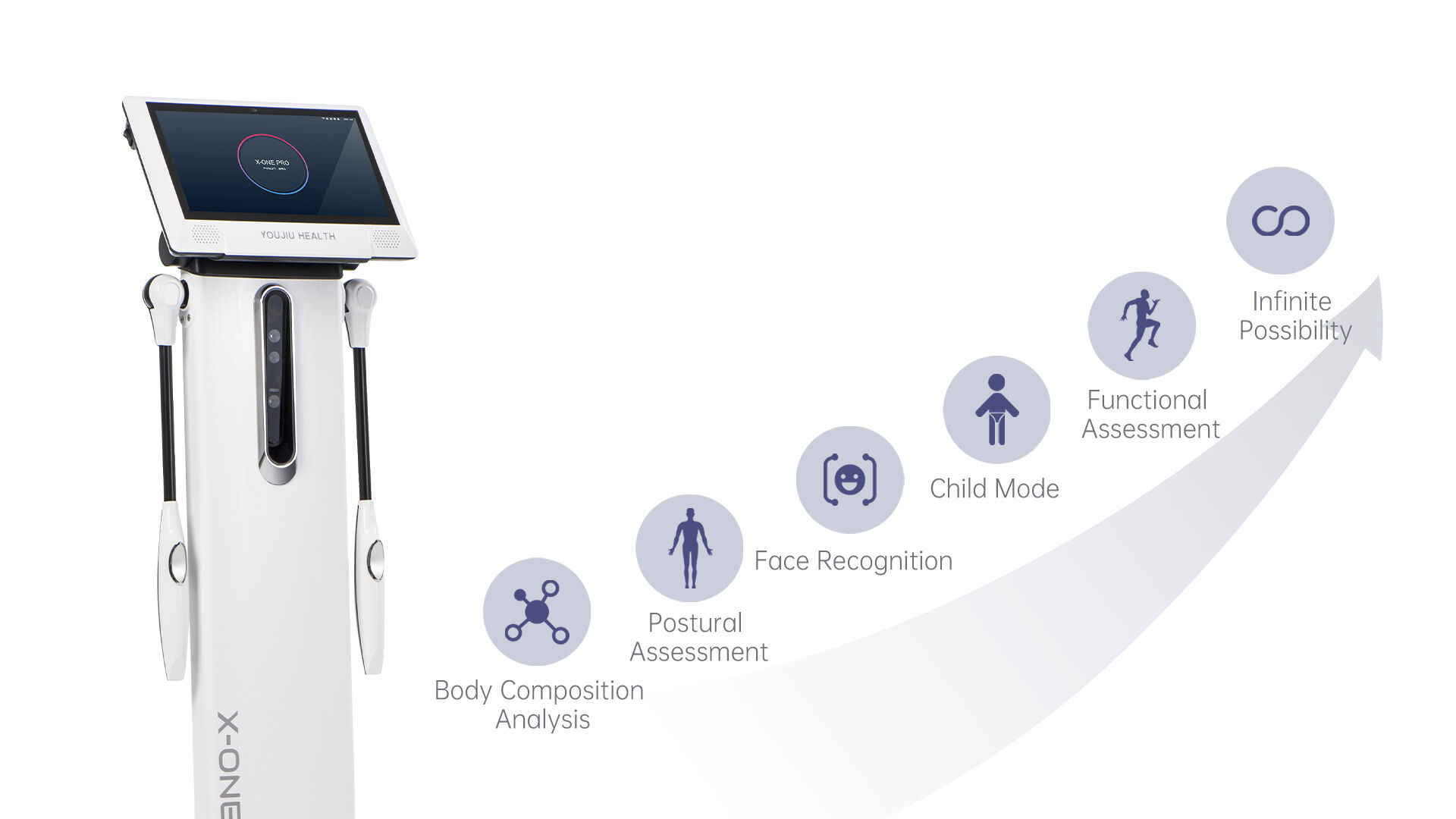
Deliver individualized body composition analysis—free from demographic assumptions—for precise, tailored results on every patient’s health journey.

Use detailed body composition metrics and progress tracking to develop evidence-based care plans and showcase tangible results.

Benefit from HIPAA-compliant cloud storage and advanced encryption, keeping patient data safe while allowing secure access from anywhere.

Access, analyze, and share patient information securely from any location with LookInBody Web—featuring advanced analytics and customizable reporting.





















































































🛠️ The Historical Foundation: From Myth to Social Realism
The rise of online platforms has led to a significant shift in how people interact, express themselves, and perceive others. The concept of attraction and seduction has become a topic of interest, with various cultures and communities having their unique perspectives. This article aims to explore the phenomenon of attraction and seduction in online culture, using a neutral and informative approach.
Despite its critical acclaim, the industry faces ongoing challenges. The historical lack of gender diversity behind and in front of the camera led to the formation of the Women in Cinema Collective (WCC) in 2017, a pioneering movement in Indian cinema advocating for safer work environments and gender equality. Internally, the industry constantly battles the rising costs of production against a relatively small native theater-going audience.
However, despite its progressive reputation, critics argue that Malayalam cinema has often reproduced and re-established social hierarchies. Many of its central characters have historically flaunted upper-caste surnames like Varma, Menon, Nair, and Namboothiri, normalizing upper-caste, middle-class perspectives while the experiences of lower-caste and working-class communities remained largely invisible. This critical gaze is also applied to gender representation. While filmmakers like have challenged conventional norms, patriarchal pressures and the disciplining of women's bodies remain recurring themes. For instance, the cinema of the celebrated Adoor Gopalakrishnan has been critiqued for its inability to imagine female agency without a tragic end. The industry’s relationship with these issues is far from resolved, making it a vibrant site for cultural debate. tamil mallu aunty hot seducing w
Unlike the infallible heroes of Bollywood or Kollywood, the Malayali protagonist was often flawed, vulnerable, and deeply ordinary. Mohanlal’s portrayal of a tragic, unemployed youth in Sathyan Anthikad films or Mammootty’s depiction of toxic masculinity and psychological decay in Vidheyan showcased a cultural willingness to confront uncomfortable societal realities. The humor in these films was rarely slapstick; it was dry, observational, and rooted in the anxieties of a highly literate, middle-class society grappling with unemployment and the Gulf migration boom. The New Wave: Hyper-Realism and Global Recognition
Conversely, in Jallikattu (2019), the forested, hilly terrain of a remote village transforms into a chaotic, muddy arena that reflects the primal, animalistic chaos erupting within the human heart. The film, which follows an escaped buffalo, uses the specific geography of Kerala to explore universal themes of greed and violence. This reliance on natural lighting, location sound, and authentic sets has birthed a visual grammar that is instantly recognizable: gritty, humid, and alive.
In the digital era, Malayalam cinema underwent a structural and aesthetic renaissance. Filmmakers like Dileesh Pothan, Lijo Jose Pellissery, Mahesh Narayanan, and Jeethu Joseph redefined cinematic grammar. 🛠️ The Historical Foundation: From Myth to Social
: Unlike many contemporary film industries that favor escapist fantasy, Malayalam films have traditionally maintained a focus on "rootedness," capturing the minute details of everyday life in Kerala. Reflections of a Changing Society
No discussion of culture is complete without music. While Bollywood thrives on picturization and Punjabi beats, Malayalam film music (or Ganangal ) has historically leaned on classical raga and literary poetry. Lyricists like Vayalar Ramavarma and O. N. V. Kurup were poets first, lyricists second. A love song in a Malayalam film often contains metaphors from Kathakali (classical dance-drama) or references to ancient texts like the Silappadikaram .
: The formation of the Women in Cinema Collective (WCC) marked a watershed moment in Indian cinema. Women filmmakers and technicians began actively challenging deep-seated industry patriarchy, demanding safer workspaces and more progressive, nuanced representations of women on screen. Despite its critical acclaim, the industry faces ongoing
Visionary directors like Adoor Gopalakrishnan and G. Aravindan pushed the boundaries of avant-garde cinema. Gopalakrishnan’s masterpieces like Swayamvaram (1972) and Elippathayam (1981) dismantled the psychological remnants of feudalism and examined the alienation of the individual. These films traveled to prestigious international film festivals, introducing global audiences to the intellectual depth of Kerala's culture. The Rise of Mohanlal and Mammootty
When exploring online forums or social media platforms, it's not uncommon to come across content related to seduction, attraction, or relationships. These discussions can be informative, but it's crucial to approach such topics with respect and empathy.
The late 1970s through the 1980s is widely regarded as the Golden Age of Malayalam cinema. This era saw the rise of the "Parallel Cinema" movement, spearheaded by visionary directors like Adoor Gopalakrishnan and G. Aravindan.
Explore how are portrayed in modern Malayalam films.
: The 1950s and 60s saw a strong bond between literature and film , with adaptations of works by legendary authors like Uroob ( Neelakuyil ) and Thakazhi Sivasankara Pillai (